
EXPLORE SAKE BY TOPIC
Tasting
& serving
A little attention.
A lot more to discover.
Learn how to taste sake, put your impressions into words, and explore what changes when you switch the temperature or the cup.
Start with your glass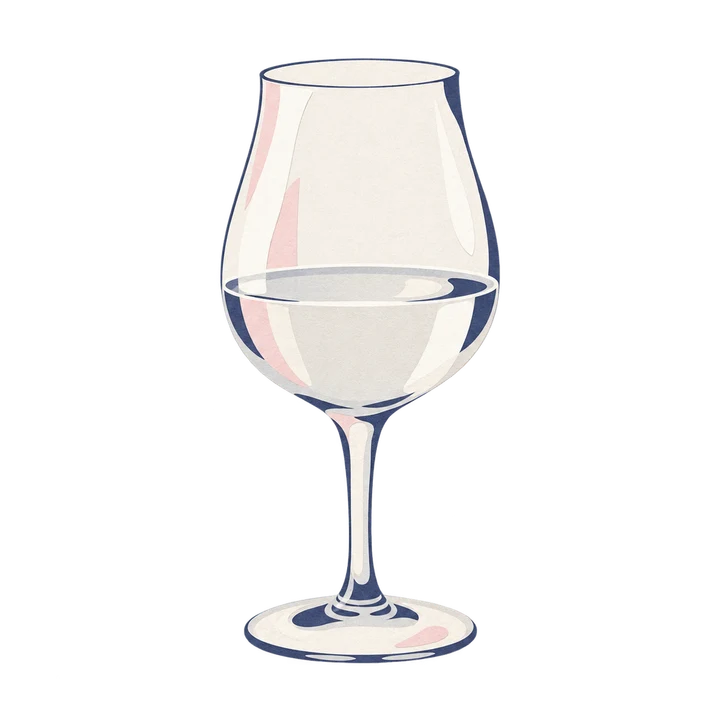
BEFORE THE FIRST SIP
Set up a simple sake tasting
One bottle, a clean glass and a few quiet minutes are enough. You don’t need a collection of special equipment.
Pour just enough for a few small sips. Have water nearby, use an unscented glass, and leave strong perfume or heavily scented candles out of the picture. Read the label’s serving advice before starting.
Wine glass
A helpful choice for exploring aroma. The clear bowl also makes colour easy to see against white paper.
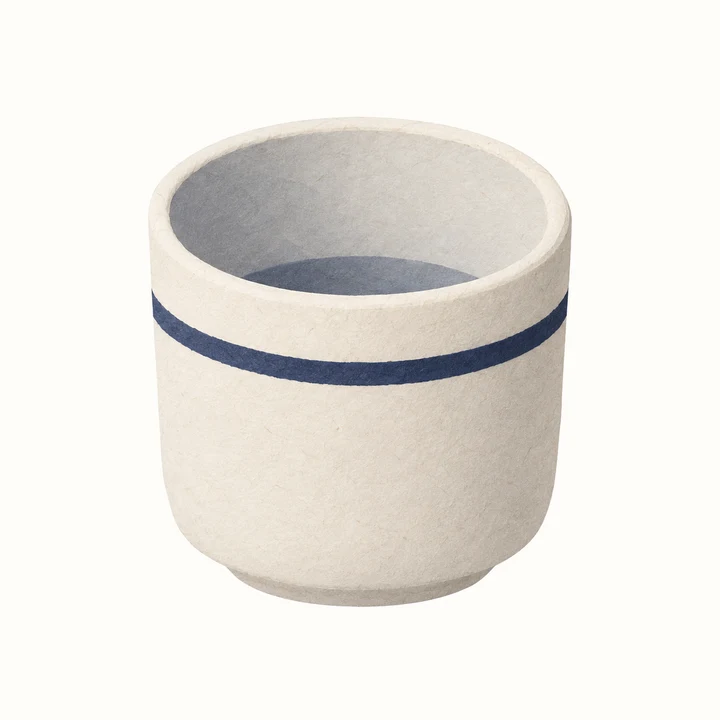
Ochoko
A small sake cup that suits relaxed sipping. A white interior helps when looking at the liquid; an opaque cup hides its colour.
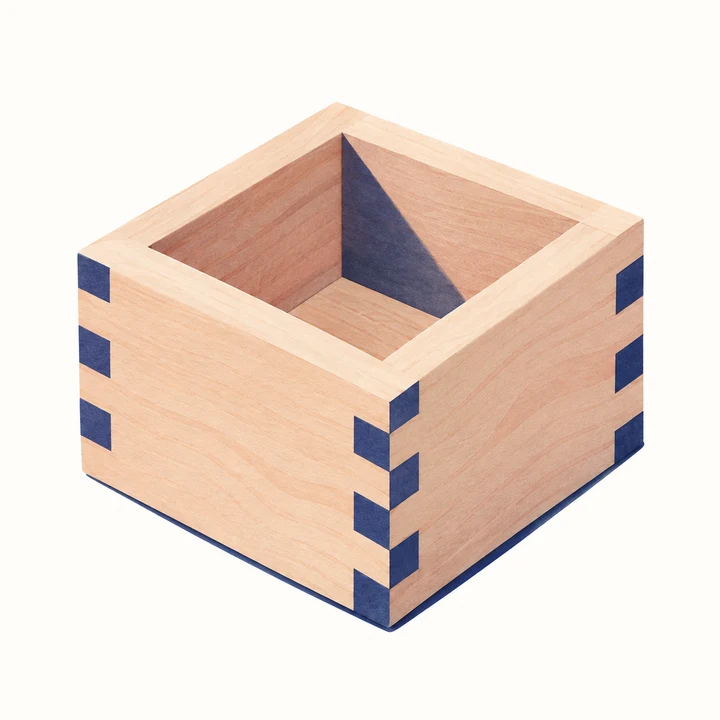
Wooden masu
A lovely part of sake culture, but wood can contribute its own scent. Choose glass or neutral ceramic when comparing the sake itself.
Use the same glass and a similar temperature for each sake. Change one thing at a time, then notice the difference.
Source: JSS: Sake cups and vessels
FOUR EASY STEPS
How to taste sake, step by step
Think of this as four small questions, rather than a test with a right answer.
1. Look at the sake
Hold it against a white background. Is it clear, cloudy, pale or amber? Appearance is a clue to processing and ageing, rather than a quality score.
Ask yourself: “What can I see?”
2. Smell gently
Bring the glass close and take a short, gentle sniff. Start with a broad impression: fruity, floral, grain-like or mature. You can try a gentle swirl in a wine glass, but vigorous swirling isn’t necessary.
Ask yourself: “What does this remind me of?”
3. Take a small sip
Let it move across your mouth. Notice sweetness, acidity, savouriness and texture. As you breathe out after the sip, you may notice aromas that were less obvious when smelling the glass.
Ask yourself: “How does it taste and feel?”
4. Notice the finish
Pause. Does the flavour clear quickly or linger? What stays: fruit, a savoury note, a little bitterness or warmth? A longer finish isn’t automatically better.
Ask yourself: “What remains after the sip?”
Take another small sip only when you want to check an impression. “Soft and savoury” is a useful observation even if you can’t name a specific fruit.
Sources: JSS & NRIB: Methods of tasting sake, chapter 4 · JSS: Appearance and finish
FIND A FAMILIAR REFERENCE
Recognise common sake aromas
Start with a family of aromas, then get more specific if a familiar comparison comes to mind. These are associations: smelling pear doesn’t mean pear was added to the sake.
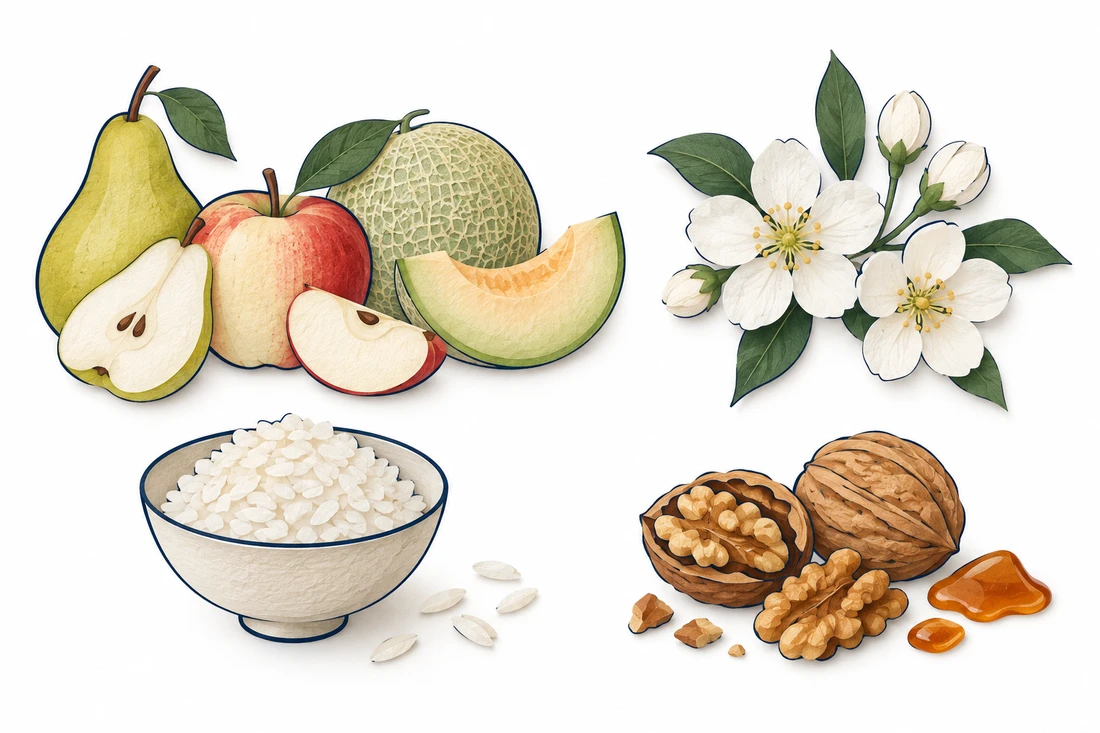
AROMA FAMILY
Fruit
Apple, pear, melon or banana.
Start with “fruity”. Choose a specific fruit only if it comes naturally.
The illustration is a memory aid, not a list of ingredients.
See all four aroma families
Fruit: apple, pear, melon, banana. Flowers: blossom or rose. Rice & grain: cooked rice or cereal. Mature notes: nuts, caramel or dried fruit. These examples are prompts, not aromas every bottle must have.
Sometimes the scent is quiet. That’s okay. Let a small chilled pour lose a little of its chill and revisit it. Record “subtle aroma” rather than forcing a description.
SEPARATE THE SENSATIONS
Understand taste, texture and balance
A sake can smell fruity and still taste dry. Aroma, taste and texture tell different parts of the story.
Sweetness & acidity
Does it feel sweet, dry or somewhere in between? Does the acidity feel soft or lively? Describe both instead of reducing the whole sip to one word.
Umami
Umami means savouriness. Look for a rounded, savoury impression alongside the sweeter or brighter sensations.
Body & texture
Think about weight and feel: light or full, silky or creamy, still or gently fizzy. “Dry” describes a different impression from “light-bodied”.
Finish & balance
Notice what remains, then consider the whole sip. Are the sensations comfortable together? Your enjoyment matters more than using impressive vocabulary.
“Fruity and crisp.” “Quiet and silky.” “Savoury and full.” Add detail when it helps you remember the sake.
SAME SAKE, DIFFERENT EXPERIENCE
Choose a serving temperature
Follow the brewer’s recommendation first. These ranges are starting points for exploring, not fixed rules for every bottle.
Chilled
8–15°C 46–59°F
Often a useful starting point for fragrant Ginjo and Daiginjo. Very cold pours can make subtle aromas harder to notice.
Room temperature
15–25°C 59–77°F
Try a small portion as it loses its chill. Compare its aroma, weight and flavour with the colder pour.
Gently warmed
40–45°C 104–113°F
A useful experiment for some savoury Junmai, Honjozo, Kimoto or Yamahai. The individual bottle matters more than the category.
Try a two-temperature comparison
- Pour two small portions of the same still sake into matching glasses.
- Taste one chilled, and let the other approach room temperature.
- Compare three things: aroma, texture and finish. Which do you prefer?
Keep the main bottle stored as its label requires. Only the small tasting portion needs to change temperature.
How do I warm sake at home?
Pour a small portion of still sake into a heat-safe tokkuri or suitable vessel. Stand it in a hot-water bath with the heat off and the water below the opening. Check the sake with a kitchen thermometer and remove it at your target temperature. Avoid boiling the sake. Don’t warm sparkling sake: heat releases its bubbles.
Sources: JSS: Serving-temperature ranges · JSS: Warming methods and styles
PUT YOUR IMPRESSIONS INTO WORDS
Write a useful sake tasting note
Record the bottle name, serving temperature and cup, then add a few observations. A note is useful when it helps you remember what you liked and how you served it.
CHOOSE WHAT YOU NOTICED
A SIMPLE NOTE
Example: “Served chilled, with a fruity aroma, soft and silky texture, and a quick and clean finish.”
Use this as a wording aid. Choose what you notice in your glass; the page doesn’t assess the sake or save your note.
Finish with the most useful sentence of all: “I’d try this again because…” You don’t need a numerical score to learn your preferences.
MAKE IT EASY TO COMPARE
Host a relaxed sake tasting at home
Two or three contrasting bottles make a manageable comparison. One bottle at two temperatures works too.
Choose a contrast
For example, compare an aromatic sake with one described as savoury, then a cloudy Nigori. Read actual tasting notes: category names and regions don’t guarantee flavour.
Keep the first comparison simple
Use matching glasses and small pours. Taste the quieter sake before a very intense one. Have water and a place to write a few words.
Compare before discussing
Write your first impression independently, then share it. Different descriptions are a conversation, not a problem to solve.
Try a bite, then revisit
Taste the sake alone, take a bite of a familiar food, then sip again. Does the same sake seem softer, brighter or more savoury? Keep the food simple enough to compare.
What should I do with the opened bottles?
Recap tightly and refrigerate upright, away from light. Keep Nama refrigerated as directed, including before opening. Freshness depends on the bottle and storage; follow the brewer’s advice rather than treating all sake as having the same deadline.
Adapted and expanded from WhatSake’s original tasting article. Storage reference: JSS: Storing and preserving sake.
THE PRACTICAL QUESTIONS
Sake tasting and serving questions
Do I need a special sake cup?
No. Start with a clean wine glass or neutral ceramic cup. Matching glasses help when comparing bottles. Explore other cups later if you’re curious.
Should I swirl sake like wine?
You can gently swirl a still sake in a wine glass, but it isn’t a required step. Smell first, take a small sip, and pay attention to the aromas you notice after it.
What if I can’t identify any aromas?
Use broad words such as subtle, fruity or grain-like. Try the small pour again as it loses some chill. You don’t need to find the exact aroma printed in someone else’s tasting note.
Is hot sake lower quality?
No. Temperature changes the experience; it doesn’t rank quality. A bottle can be enjoyable warm, cold or both. Use the brewer’s advice and your own preference.
Why does the same sake taste different in another glass?
The cup’s shape, material and rim change how you experience the drink. Temperature can change during the comparison too. Use matching glasses first, then change the cup as a separate experiment.
Further reading: JSS: Cups and vessels · JSS: Exploring warm sake