
03 / DRINK WITH CONFIDENCE
How to
drink sake.
A little curiosity.
A very good first pour.
Hot or cold? Cup or wine glass? Sip or shoot? Let’s set the table, untangle the customs and find the way you enjoy sake.
Start with a sip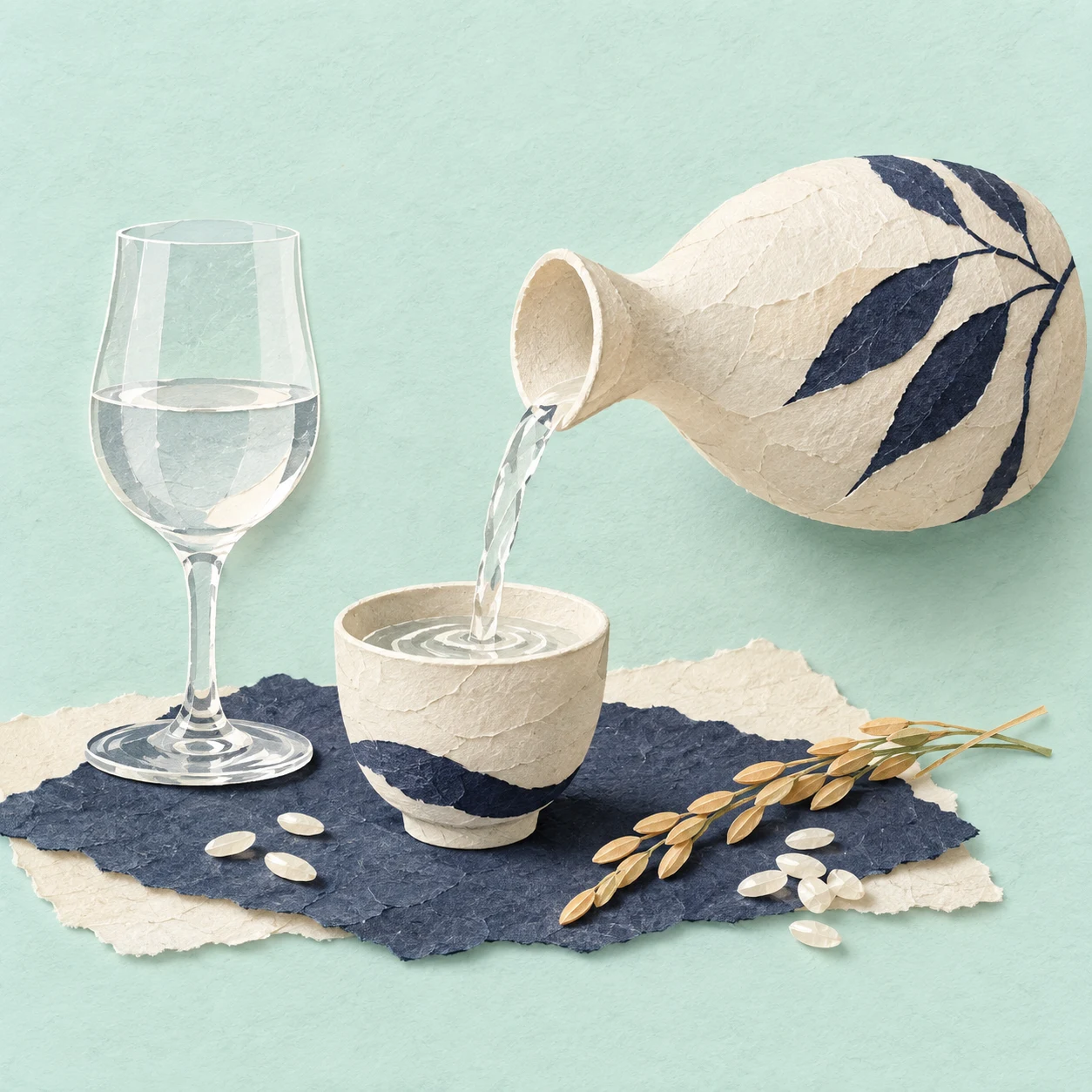
A few small rituals. Plenty of room to make them yours.
The small cup is an invitation.
Take your time.
HOW TO DRINK SAKE, WITHOUT THE GUESSWORK
Start small.
Stay curious.
Pour a little, smell it gently and take a small sip. You can enjoy sake chilled, at room temperature or warmed. The bottle’s guidance is your best first clue.
You don’t need a ceremony or a cupboard full of specialist cups. A clean glass, a little food and a moment to notice what’s in front of you are a lovely place to begin.
Still getting to know the drink? Start with What is sake?, or meet the names on the bottle in Types of sake.
ONE BOTTLE, DIFFERENT EXPRESSIONS
Hot or cold sake?
Both have a story.
Temperature changes the experience. It isn’t a quality ranking: warmed sake can be excellent, and the coldest pour isn’t always the most expressive.
EXPLORE A SERVING TEMPERATURE
Chilled & bright
Try aromatic Ginjo, Daiginjo or Nama.
A useful starting point for fruity, aromatic sake. Notice the freshness, then let a little warm in the glass and compare.
An explorer, not a rule for every bottle. Start with the brewer’s recommendation.
Chilled · roughly 8–15°C / 46–59°F
Styles to exploreGinjo · Daiginjo · Nama
Often a good first pour for aromatic Ginjo and Daiginjo. Too much chilling can make aromas quieter; give the glass a little time and see what appears.
Room temperature · roughly 15–25°C / 59–77°F
Styles to exploreJunmai · Honjozo
A useful middle ground for comparing a bottle’s character. “Room temperature” means a comfortable room, not a hot windowsill.
Warmed · roughly 40–50°C / 104–122°F
Styles to exploreSavoury Junmai · Honjozo · Kimoto / Yamahai · some Koshu
Some savoury, full-bodied sake opens up beautifully with warmth. Sweetness and umami may feel fuller, while delicate aromas can change.
These are starting points, not fixed rules. Category names alone don’t decide the best temperature: check the bottle and compare.
Storage and serving are different jobs. Keep a bottle labelled “refrigerate” cold in storage, even if you choose to warm a small serving.
Sources: JSS: Serving temperature ranges · WSET: Overchilling and overheating · NRIB: Chilled and warmed styles · JSS: Styles to explore warmed
How to warm sake at home
- Pour a small serving into a vessel suitable for a hot-water bath.
- Heat a saucepan of water, then turn off the heat. Stand the vessel in the water with its opening above the waterline.
- Use a food thermometer to check the sake. Start gently, around 40°C / 104°F, and follow the bottle’s advice.
- Lift the vessel carefully, wipe its base and pour. Warm the portion you’ll serve, rather than the whole bottle.
Timing depends on the vessel and the amount of sake. Avoid boiling the sake. Sparkling bottles need their own chilled serving and opening instructions.
THE VESSEL IS PART OF THE EXPERIENCE
Pick a sake cup.
Or your favourite glass.
Shape, size and material can change what you notice. A special set is lovely to own, but you can start with what’s already on the shelf.
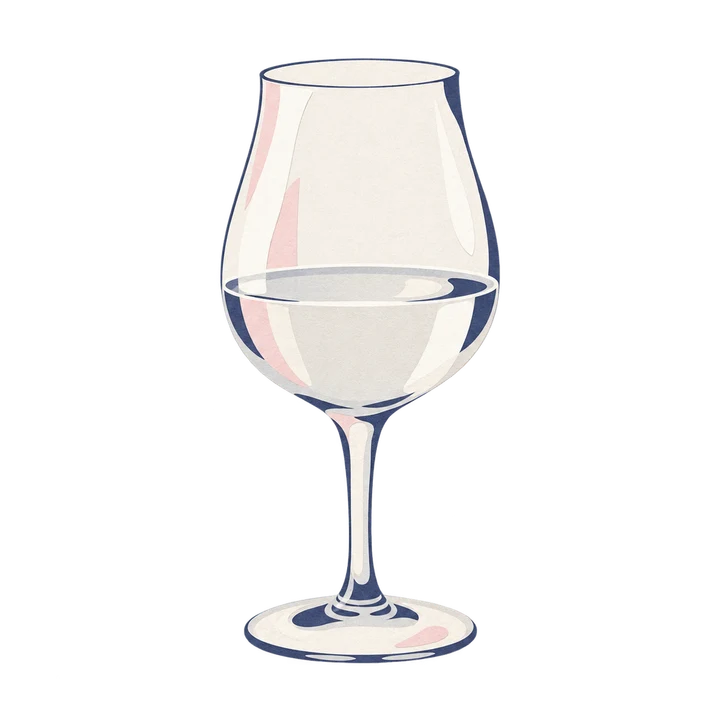
A small wine glass
A tulip-shaped bowl gathers aromas. Try it with fragrant sake, chilled or at room temperature. A modest pour leaves space to smell.
A little experiment
Pour the same sake into a wine glass and a small cup. Smell both before sipping. Which helps you notice more?
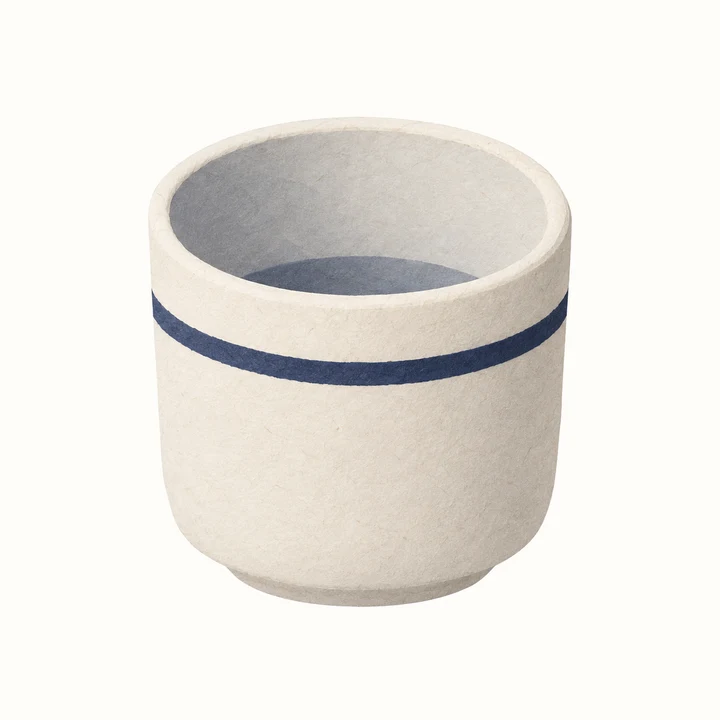
An ochoko
The familiar small sake cup comes in many materials. Ceramic versions are useful for warm sake; the small serving encourages gentle sipping and shared pours.
A word you might see
A kiki-choko is a white tasting cup with blue rings inside. The contrasting colours help assess the sake’s colour and cloudiness.
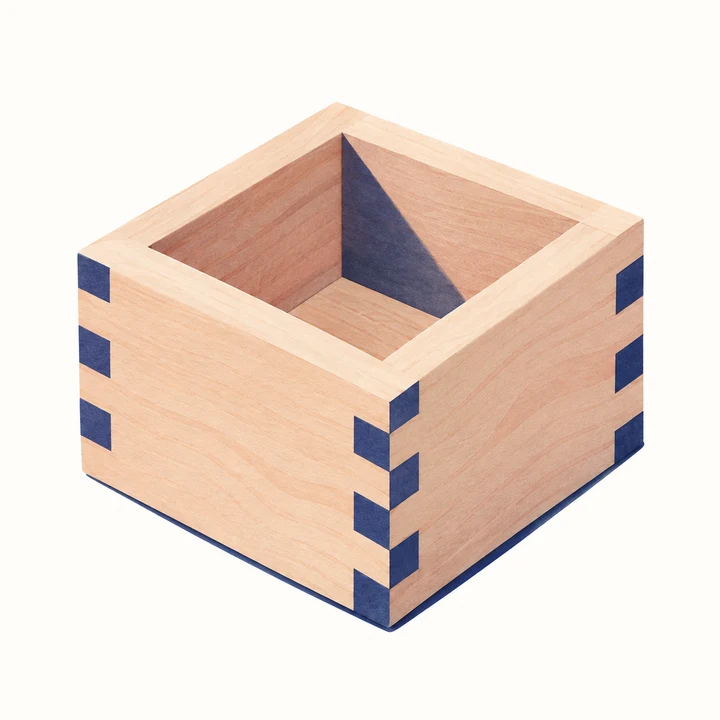
A wooden masu
A square box once used as a measure. You may meet one at a celebration, sometimes with a glass inside. The wood can add its own aroma.
If the glass overflows
Ask your host how they serve it. The presentation can vary, and the extra sake isn’t a challenge to finish everything.
A tokkuri is for serving, rather than drinking from. Pouring directly from the bottle is also fine. Choose a vessel that’s comfortable to handle at your serving temperature.
NO GRAND VOCABULARY REQUIRED
How to taste sake:
notice one thing at a time.
You don’t need to find twelve fruits. “Soft, a little savoury, and I’d drink it with dinner” is a perfectly useful discovery.
Look
Clear, cloudy, pale gold or amber? Notice what you see, without treating colour as a quality score.
Smell
Take a gentle sniff. Fruit, flowers, steamed rice, nuts? Start with a broad impression rather than chasing a perfect answer.
Sip
Try a small amount. Notice sweetness, freshness, savoury depth and texture. Does it feel light, rounded, creamy or fizzy?
Pause
What stays after the sip? A quick, clean finish and a longer, lingering one can both be enjoyable.
THREE CLUES YOU CAN REMEMBER
Make a tiny
tasting note.
Choose what you notice in your glass. These are your impressions, not a prediction from the label. No score required.
The note stays on this page while it’s open.
A LITTLE CARE GOES A LONG WAY
Pour. Receive. Kanpai.
Sake etiquette made easy.
Sharing sake is a lovely reason to pay attention to the people around you. In casual settings, the customs leave plenty of room to relax.
Offer a pour
When a friend’s cup is low, ask whether they’d like more. Pour steadily with one hand holding the flask and the other supporting its base.
Receive with care
Lift your small cup and support it with your other hand as it’s filled. A simple thank-you does the rest.
Say “Kanpai!”
The Japanese toast means “cheers”. You may also see it written “kampai”. Join the toast, then drink at your own pace; it doesn’t require emptying your cup.
Make room for everyone
It’s fine to decline a refill or pour for yourself at home. Keep water on the table, take your time and let the meal set the rhythm.
Sources: JSS: Pouring, receiving and toasting · WhatSake: The original etiquette guide
YOUR TURN AT THE TABLE
What would
you do?
Three little moments. Tap your instinct.
Good company doesn’t need a perfect performance.
FROM THE DINNER TABLE TO TOMORROW
Sake with food.
Then care for the bottle.
You can take sake beyond sushi. Start with the intensity of the food, then experiment with how the two feel together.
A BITE, THEN A SIP
Try a small
pairing experiment.
Taste your sake, take a bite, then sip again. Does the food bring out a new flavour, make it softer, or overwhelm it?
Something delicate
Try a light sake alongside simply cooked fish, tofu or fresh vegetables. Let gentle flavours meet gentle flavours.
Something savoury
Try a fuller sake with mushrooms, grilled chicken or a savoury cheese. Notice whether the food and sake echo each other.
Something richer
Compare a more intense or aged sake with a rich dish. Matching intensity is a starting point, not a promise about every combination.
These are WhatSake’s suggested experiments. Your taste and the specific bottle decide the result.
Sources: NRIB: Matching flavour intensity · JSS: Sake beyond Japanese food
KEEP THE NEXT POUR LOVELY
Cool. Dark.
Tightly closed.
- Follow the label first.Storage advice belongs to that particular bottle.
- Protect it from heat and light.Keep sake upright, away from sunny shelves and warm rooms.
- Refrigerate delicate styles.Nama, sparkling sake and aromatic Ginjo need particular care; NRIB recommends 4°C / 40°F or below for these styles.
- After opening, recap and refrigerate.Enjoy it soon. Delicate aromatic sake is often best within about a week; other bottles may keep their character longer. Follow the brewer’s advice.
Serving warm doesn’t mean storing warm. Heat only a small portion, and keep the rest as directed.
Sources: NRIB: Temperature, light and oxygen · JSS: Care after opening
THE QUESTIONS PEOPLE ACTUALLY ASK
One last thing
before the first sip.
You don’t need to memorise the whole guide. Keep the bottle’s advice close, and your curiosity closer.
Do you sip sake or drink it as a shot?
Small sips give you time to notice the flavours. A tiny cup isn’t a request to shoot it, and a toast doesn’t oblige you to finish it.
Should sake be served hot or cold?
Either can work. Use the brewer’s recommendation as your starting point, then compare a small serving at another suitable temperature.
Do I need traditional sake cups?
No. A clean, small wine glass is a useful starting point, especially for aromatic sake. A ceramic cup is lovely for warm servings.
Can I pour my own sake?
Yes, especially at home or in casual company. Offering to pour for others is a thoughtful custom, and you can always decline more.
Does sake need to be refrigerated after opening?
Recap and refrigerate it to preserve its character. Follow the bottle’s instructions; unpasteurised and other delicate styles need refrigeration even before opening.
Can I drink sake with food other than sushi?
Absolutely. Try vegetables, seafood, grilled food or cheese, matching the intensity of the sake and the dish. A good pairing is the one you enjoy.
Further reading: JSS etiquette · WSET serving guide · NRIB storage guide
YOU’RE READY FOR YOUR NEXT POUR
A cup. A conversation.
Your kind of sake.
The best part is noticing what you like. Remember the bottle, the temperature and the food, then carry that curiosity into the next one.